Published September 8, 2026
Looking for Commercial Real Estate in Scranton, PA? 5 Things Smart Investors Check Before Buying


Looking for Commercial Real Estate in Scranton, PA? 5 Things Smart Investors Check Before Buying

Buying commercial real estate in Scranton, PA can be an exciting opportunity. The right property may create dependable income, support your business, strengthen your portfolio, or open the door to a larger development project.
But commercial real estate decisions require more than finding a building with a good location and attractive asking price.
Smart investors look beyond the surface. They study the numbers, verify the property’s potential, identify risks, and build a plan for what happens after closing.
The best commercial purchase is the one that still makes sense after the excitement wears off.
At Revolve Real Estate, we help buyers evaluate commercial buildings, investment properties, development opportunities, and large-scale projects throughout Scranton and Northeast Pennsylvania. Kate Daye, Revolve’s Owner and Broker, was voted the #1 Commercial Agent in Lackawanna County for 2026: recognition that reflects her experience as a broker, investor, landlord, property manager, and trusted advisor.
So, what should you check before buying?
1. Start with the income, expenses, and complete financial picture
A commercial property’s asking price is only one part of the investment. You also need to understand how the property performs financially today: and how it may perform under your ownership.
If the property is occupied, request and review:
- Current leases and all amendments
- Rent roll and tenant payment history
- Operating statements
- Utility, insurance, and property tax records
- Maintenance and service contracts
- Security deposits
- Pending lease renewals or expirations
- Any tenant disputes, delinquencies, or concessions
The lease structure matters, too. A property with triple-net leases may operate very differently from one with gross or modified-gross leases. You’ll want to understand who pays for taxes, insurance, utilities, maintenance, common-area expenses, and major repairs.
What happens if the property is partially vacant? What happens if a major tenant leaves? What happens if expenses rise faster than expected?
These questions help you calculate realistic net operating income, debt coverage, cash flow, and potential return: not just the most optimistic scenario.
For investors considering a commercial property in Scranton, PA, local market knowledge is especially valuable. A property can look profitable on paper while still carrying deferred maintenance, below-market leases, or vacancy risk that changes the entire deal.
Look at the income. Then look at what it takes to produce that income.
2. Confirm zoning and permitted use before you fall in love with the property
A building may appear perfect for your business or development plan, but appearance doesn’t determine what you’re legally allowed to do there.
Before moving forward, verify the property’s zoning classification and confirm whether your intended use is:
- Permitted by right
- Permitted with conditions
- Subject to a special or conditional-use approval
- Dependent on a variance
- Prohibited under the current zoning
You should also confirm requirements involving parking, signage, setbacks, building height, lot coverage, loading areas, access, and occupancy.
This step is critical if you’re considering a conversion, expansion, mixed-use project, new construction, or redevelopment opportunity. A property may have excellent visibility and strong traffic counts, but that doesn’t mean your planned use will be approved.
Ask the municipality for written confirmation whenever possible. You’ll also want to identify any open code violations, unresolved permits, prior variances, development agreements, or proposed changes that could affect the property.
Our team can help you identify the right questions early and connect you with the professionals needed to evaluate the opportunity. Revolve works with buyers pursuing everything from commercial property purchases to new construction and large-scale development projects.
Confirm the use before you count the return.
3. Investigate the building’s physical condition and environmental history
Commercial buildings can carry significant repair and replacement costs. A roof that looks fine from the parking lot may be near the end of its useful life. An older electrical system may not support your intended operation. HVAC, plumbing, fire protection, accessibility, and structural conditions can all affect your budget.
A professional property condition assessment may review:
- Roof and building envelope
- Foundation and structural components
- Electrical capacity and panels
- Plumbing and sewer systems
- Heating, ventilation, and air conditioning
- Fire alarms, sprinklers, and life-safety systems
- Elevators and specialized equipment
- Parking areas, drainage, and retaining walls
- Accessibility and ADA-related concerns
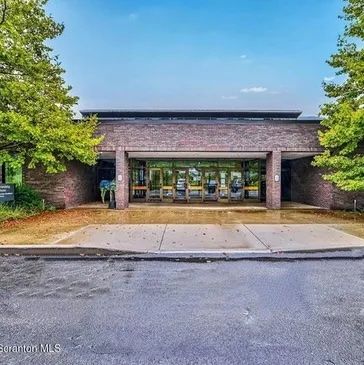
Environmental due diligence is equally important. Depending on the property’s age and prior use, you may need to investigate underground storage tanks, petroleum releases, asbestos, lead-based paint, mold, radon, or other environmental concerns.
A Phase I Environmental Site Assessment is a common starting point, particularly for properties with industrial, automotive, manufacturing, or other commercial histories. If that review identifies potential concerns, additional testing may be necessary.
Pennsylvania buyers can also research environmental records through resources such as the Pennsylvania Department of Environmental Protection. For complicated properties, consult qualified environmental professionals and legal advisors.
Why does this matter? Because an issue discovered before closing can be investigated, priced, negotiated, or addressed through the purchase agreement. An issue discovered afterward may become your responsibility.
Inspection is not an obstacle to the deal. It’s protection for the deal.
4. Review title, survey, access, and site limitations
A commercial property may include more than a building and a parcel of land. Easements, shared driveways, utility rights, access agreements, parking arrangements, restrictions, and encroachments can all influence how the property operates.
A title commitment and commercial survey can help identify:
- Ownership and recorded liens
- Utility and access easements
- Shared parking or reciprocal access agreements
- Boundary lines and building setbacks
- Encroachments from neighboring properties
- Drive aisles, loading areas, and parking counts
- Restrictions on signage or development
- Flood-zone information
- Existing rights-of-way or use limitations
This is especially important when the property depends on shared access or has an unusual layout. You don’t want to discover after closing that part of the parking lot is subject to an agreement, a neighboring structure crosses a boundary, or a planned addition sits within a setback.
A commercial real estate attorney and title professional should review the documents carefully. Your broker can help coordinate the process, keep deadlines visible, and make sure important questions are raised during due diligence.
The goal isn’t simply to confirm that you can purchase the property. The goal is to confirm that you can use, finance, operate, improve, and eventually sell it according to your plan.
A good location still needs clear rights and usable access.
5. Test the market, financing, and exit strategy
Even a sound property may not be the right investment if it doesn’t fit your goals.
Before buying commercial real estate in Scranton, PA, study the surrounding market and ask:
- Who are the competing properties?
- What are comparable rents and sales prices?
- How long do similar properties typically remain vacant?
- Is demand increasing, stable, or softening?
- Does the location serve your target customers or tenants?
- Is the property close to major roads, employers, services, or population centers?
- Could the property support another use if your first plan changes?
You should also speak with lenders early. Commercial financing may involve different underwriting requirements, down payments, reserves, interest rates, debt-service calculations, and property-specific conditions than a residential purchase.
Revolve maintains relationships with reliable lenders and contractors who can help buyers better understand financing and improvement costs. Our financing resources can also help you take the first step toward identifying lending options.
Then consider your exit strategy. Are you planning to hold the property for income, occupy it for your business, renovate and sell it, refinance it, or develop it over time?
A flexible property can be valuable because your plans may evolve. Today’s owner-user opportunity could become tomorrow’s investment, expansion site, or redevelopment project.
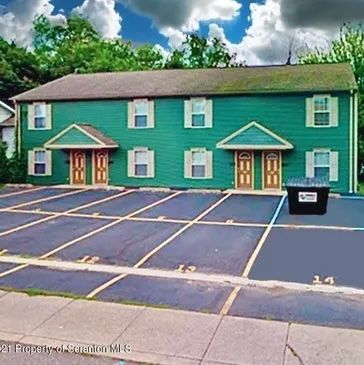
Buy for the plan you have: and protect yourself if the plan changes.
Why local commercial expertise makes a difference
Commercial real estate is a team effort. Buyers may need a broker, lender, attorney, title company, inspector, environmental consultant, contractor, property manager, and insurance professional.
The right commercial brokerage helps you coordinate those moving parts while keeping the investment objective in view.
Revolve Real Estate offers a true one-stop-shop experience for commercial buyers and investors throughout NEPA. We assist with:
- Commercial property purchases and sales
- Investment property analysis
- Development opportunities
- New construction and land projects
- Large-scale commercial ventures
- Contractor and lender connections
- Property management and tenant placement
- Ongoing portfolio strategy
Kate Daye’s experience across brokerage, investing, property management, and commercial real estate gives clients a practical perspective. She understands that the best deal isn’t always the cheapest property. It’s the opportunity that matches your finances, timeline, risk tolerance, management plan, and long-term goals.
You can meet Kate Daye, explore available properties, or contact Revolve to discuss a commercial purchase, sale, or development opportunity.
Ready to evaluate your next opportunity?
The commercial real estate market in Scranton and throughout Northeast Pennsylvania offers opportunities for business owners, investors, developers, and portfolio builders.
Just make sure you’re evaluating more than the listing photos and asking price.
Check the numbers. Verify the use. Inspect the building. Review the documents. Build the plan.
Smart commercial investing starts with smart due diligence: and you don’t have to do it alone.
This article is for general informational purposes only and is not legal, tax, accounting, environmental, or financial advice. Consult the appropriate licensed professionals before purchasing commercial real estate.