Categories
Buyer Content, Home UpgradesPublished September 10, 2026
How to Choose the Best New Construction Home in PA: 7 Questions Every NEPA Buyer Should Ask

How to Choose the Best New Construction Home in PA: 7 Questions Every NEPA Buyer Should Ask

Buying a new construction home in PA can give you something a resale property often can’t: the opportunity to choose how your home looks, functions, and fits your life from the beginning.
But new construction also brings important questions. What’s included in the base price? How much will the lot and upgrades cost? Who represents your interests during the build? What happens if the timeline changes?
You don’t have to figure it out alone.
With the right questions: and the right guidance: you can move forward with confidence. Here are seven questions every NEPA buyer should ask before choosing a builder, community, or new construction home.
1. Who will represent my interests during the process?
Many buyers assume the builder’s representative is also their advocate. That usually isn’t the case. The builder’s sales representative works for the builder, which means you should consider having your own real estate representation.
An experienced buyer’s agent can help you:
- Compare builders and communities
- Review the builder agreement and related documents
- Understand selections, upgrades, and allowances
- Evaluate lot premiums and site costs
- Coordinate inspections and walkthroughs
- Track construction milestones and deadlines
- Communicate questions and concerns throughout the build
- Negotiate when opportunities are available
This matters whether you’re buying a completed spec home, choosing a condo in a new development, or creating a custom home on your own lot.
At Revolve Real Estate, our team helps buyers with custom homes and builder purchases throughout Northeast Pennsylvania. We guide you through the details so the process feels organized instead of overwhelming.
Your representation should continue from the first conversation through closing.
2. What is included in the base price: and what costs extra?
The advertised price is not always the final price.
Before you fall in love with a floor plan, ask for a complete cost breakdown. Confirm what is included in the base price and what will be considered an upgrade.
Ask about:
- Lot premiums
- Site preparation and excavation
- Utility connections
- Driveways and sidewalks
- Landscaping and grading
- Appliances
- Flooring and cabinetry
- Lighting and plumbing fixtures
- Basement finishing
- Decks, patios, and porches
- HVAC and energy-efficiency upgrades
- Garage options
- HOA or community fees
A home listed at one price can become a very different investment after selections and site-specific costs are added. That doesn’t mean upgrades are a problem. It simply means you should understand the full picture before making a decision.
Ask this direct question:
“What is the estimated all-in price for this home on this specific lot?”
That answer is far more useful than the base price alone.
3. Does the lot fit the home: and the way I want to live?
The lot is part of the home.
A floor plan that works beautifully on one property may feel completely different on another. A steep lot may affect excavation costs. A wooded parcel may offer privacy but require additional clearing. A lot with mountain, lake, or runway views may carry a premium: but could also create a lifestyle you can’t easily find elsewhere.
Review:
- Lot size and shape
- Driveway placement
- Grading and drainage
- Sun exposure
- Views and privacy
- Easements and restrictions
- Utility locations
- Soil or engineering information
- Outdoor living potential
- Future development nearby
You should also consider how the property will function five or ten years from now. Is there room for a pool, detached garage, garden, workshop, or expanded outdoor space? Can the home accommodate changing work, family, or accessibility needs?
Think beyond the house itself
Skyline Estates is a good example of how the land and setting can become part of the purchase. Through Skyline Estates, Revolve Real Estate markets custom-built home packages in a distinctive fly-in residential community near Seamans Airport.
The community offers generous homesites, scenic mountain views, and direct airport access for pilots who want to taxi from their property to the runway. It also appeals to buyers who simply want privacy, open space, and a highly individual setting.

The right question isn’t only, “Do I like this floor plan?”
It’s also, “Does this lot support the life I want to create?”
4. What can I customize: and when do I need to make decisions?
One of the biggest advantages of new construction is flexibility. Depending on the builder and project, you may be able to select finishes, adjust layouts, add rooms, change fixtures, or plan future-use spaces.
But customization usually comes with deadlines.
Ask the builder:
- Which selections are included?
- What options are available?
- When are selections due?
- Are design appointments included?
- How are upgrades priced?
- Are upgrade prices fixed or subject to change?
- Can walls or room layouts be changed?
- Can I add a finished basement, office, or bonus room?
- What happens if I change my mind after signing off?
- Are change orders subject to administrative fees?
Clear communication is essential. A small change early in the process may be simple. The same change after framing, plumbing, or electrical work has started may be expensive: or impossible.
If you’re building a custom home, think carefully about how you actually live. Would a second office help your household? Would a mudroom, larger pantry, first-floor guest suite, or flexible bonus room make everyday life easier?
The best design is not necessarily the most elaborate one.
It’s the one that works hardest for you.
5. What is the expected timeline, and how are delays handled?
Construction timelines can change because of permitting, weather, material availability, inspections, labor, or site conditions. A reliable builder should be willing to explain the expected schedule and the factors that could affect it.
Ask for:
- Estimated start date
- Estimated completion date
- Construction milestones
- Selection deadlines
- Financing and appraisal deadlines
- Expected closing window
- Builder communication procedures
- The process for handling delays
- Any contract language related to timeline changes
You should also know who your primary point of contact will be. Is it the builder, project manager, site supervisor, or sales representative? How often will updates be provided? Will you have opportunities to visit the property during construction?
A realistic timeline is better than an overly optimistic promise. Your agent can help you coordinate the purchase with a current home sale, lease expiration, school schedule, or financing plan.
6. What inspections and quality-control steps are available?
A new home still needs inspections.
New construction does not automatically mean every detail will be perfect. Multiple contractors and subcontractors may work on the property, and an independent inspector can provide another layer of protection and clarity.
Ask whether the builder allows inspections at stages such as:
- Foundation
- Framing
- Pre-drywall
- Mechanical installation
- Final completion
- Pre-closing walkthrough
You should also ask how the builder handles punch-list items. A punch list is the written record of items that need correction or completion before or after closing.
Your buyer’s agent can help coordinate inspection access, organize questions, and keep the process moving. Depending on the project, you may also want to consult an attorney, lender, inspector, or other qualified professional.
This is not about expecting a home to be flawless. It’s about making sure the work is reviewed carefully and that responsibilities are clear.
7. What warranty and after-sale service will I receive?
Before signing, ask for the warranty documentation: not just a verbal summary.
Clarify:
- What is covered?
- How long does coverage last?
- Is coverage different for workmanship, systems, and structural components?
- What exclusions apply?
- How do you submit a warranty claim?
- What is the typical response time?
- Who handles emergency issues?
- Are follow-up inspections or service visits included?
- How are settling, nail pops, water intrusion, roof issues, or mechanical problems addressed?
You should also ask how the builder has handled warranty concerns for previous buyers. A builder’s willingness to communicate after closing can tell you a great deal about the overall buying experience.
New construction can mean more than one kind of home
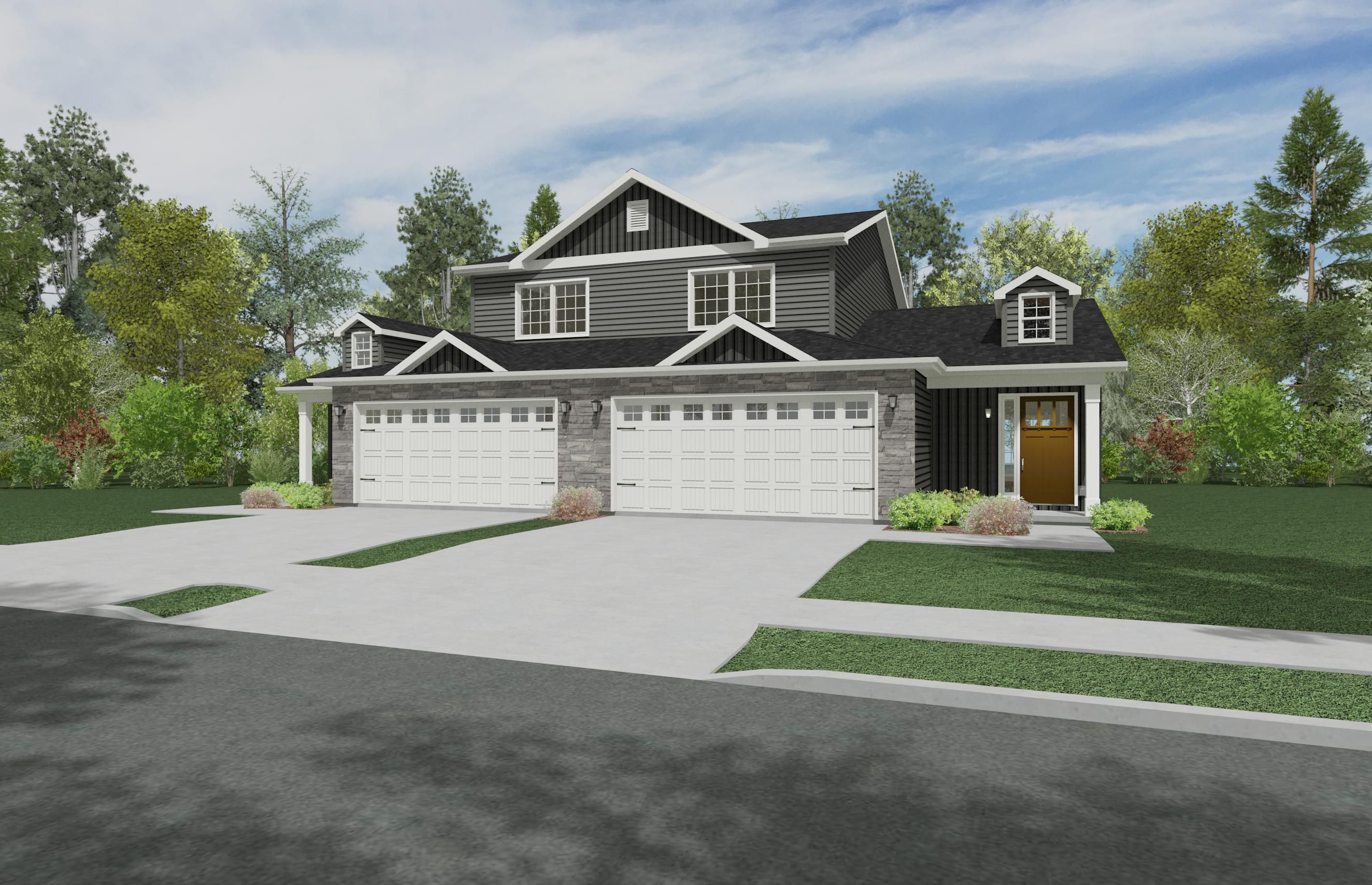
When people search for new construction homes in PA, they often picture a single-family house in a developing subdivision. That is one option: but it’s not the only one.
New construction may also include:
- Custom homes on private lots
- Low-maintenance condos
- Townhome communities
- Luxury lakefront properties
- Planned residential developments
- Builder spec homes
- Commercial or mixed-use projects
- Large-scale development opportunities
For example, Stauffer Pointe offers new construction condos in Pittston Township for buyers seeking modern finishes and low-maintenance living. Revolve also markets specialty developments such as Nalla Lake, a private lakefront community designed around privacy, recreation, and future custom-home opportunities.
That range is important because the best choice depends on your goals. Are you looking for a primary residence, a seasonal retreat, a lower-maintenance lifestyle, or a property designed around a specific passion?
Start with the life you want. Then choose the home and setting that support it.
Choose guidance that continues beyond the closing table
New construction is both a home purchase and a process. You’re evaluating the builder, the land, the contract, the design, the neighborhood, the timeline, and the long-term experience of owning the property.
That’s why the right real estate partner matters.
Revolve Real Estate provides representation and marketing for new construction homes, custom homes, condos, and development projects throughout NEPA. Our team helps buyers understand the details, identify possibilities, and move forward with a clear plan. We also work with builders and developers who need knowledgeable marketing, local expertise, and professional representation from planning through sale.
A new home should feel exciting: not confusing.
If you’re exploring new construction homes in Pennsylvania, start your search, learn more about available communities, or connect with our team to discuss what you want to build, buy, or develop.
The right questions lead to better decisions. And the right guidance helps you enjoy the journey along the way.
or another way