
Published September 2, 2026
Why Buyers Aren’t Just Counting Bedrooms Anymore

The Home Office Isn’t Going Anywhere. In Fact, Buyers May Want Two.
For a while, it seemed like the home office might eventually become a leftover from the pandemic era.
That doesn’t appear to be happening.
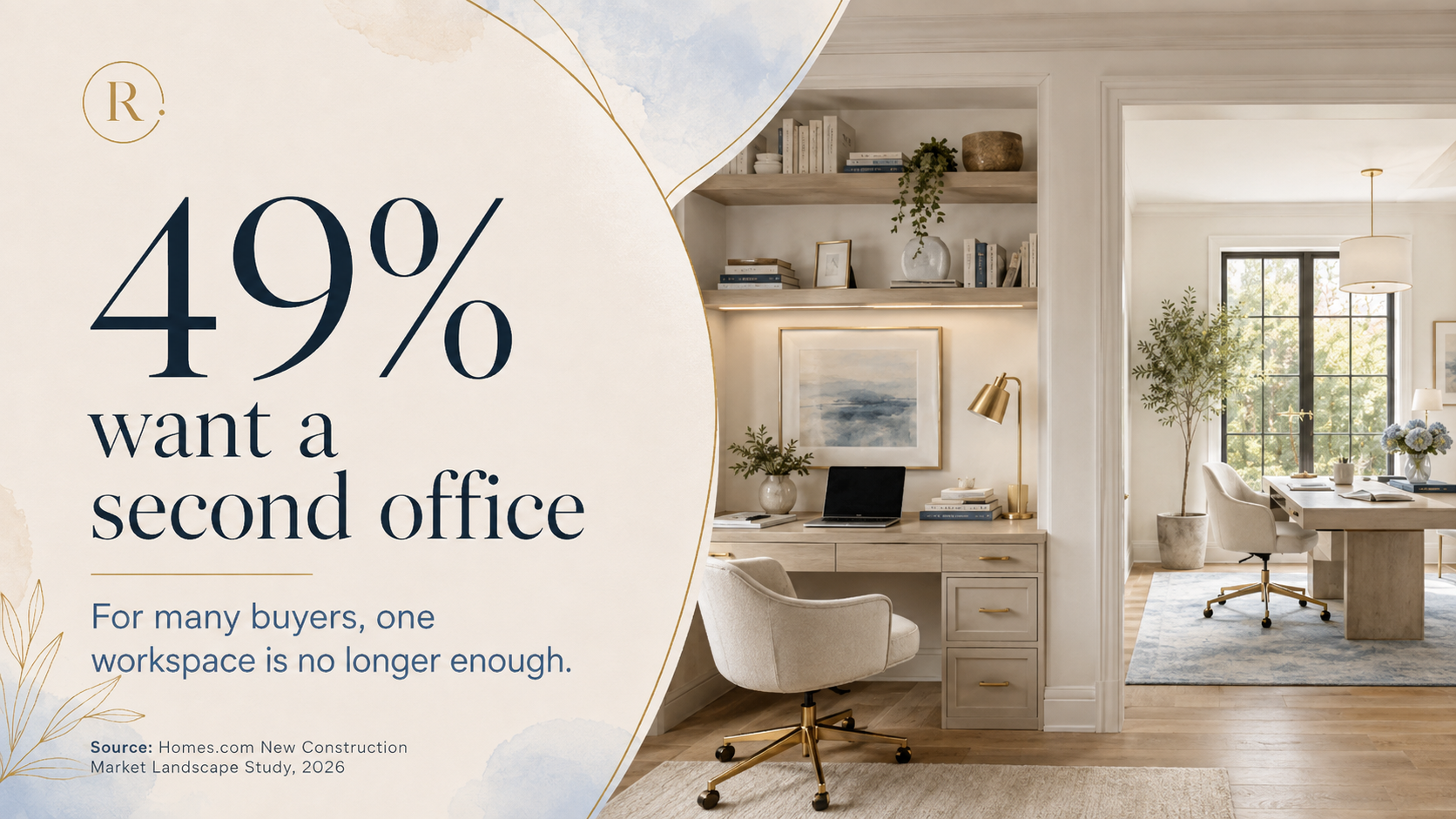
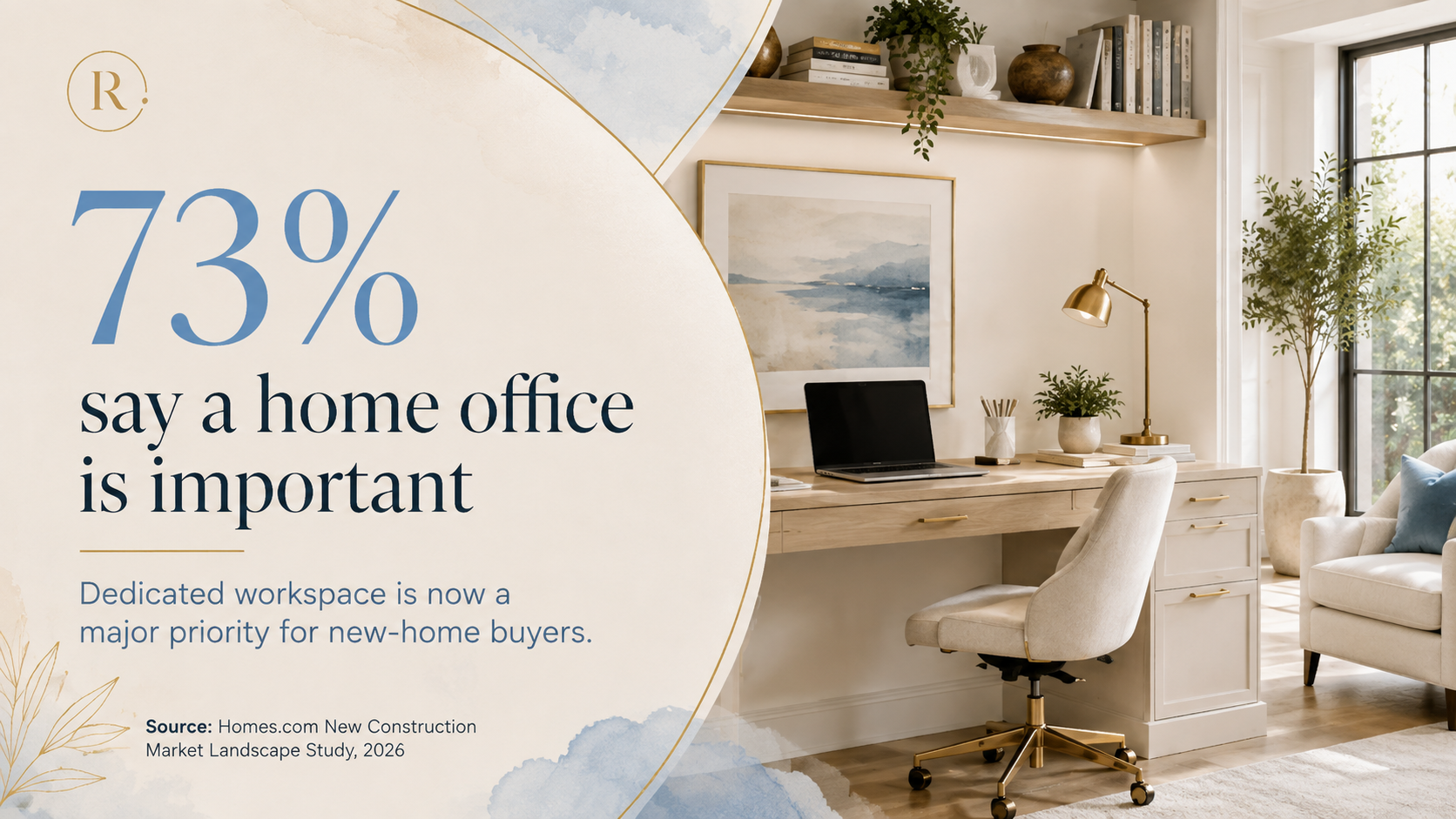
Instead, buyers are getting even more specific about how they want their homes to function. A recent Homes.com study found that nearly three-quarters of new-construction buyers consider a home office important, and almost half said having two separate office spaces matters to them.
That tells us something bigger than “people still work from home.”
It tells us buyers are thinking about their homes differently.
Buyers Want Space That Works Around Their Lives
For years, buyers walked through homes counting bedrooms, bathrooms and garage spaces.
Those things still matter, of course. But today’s buyer is also asking:
Where can I take a Zoom call?
Where can my spouse work without sitting three feet away from me?
Could this room become a gym?
Is there somewhere quiet for the kids to do homework?
Can I turn this extra bedroom into a studio, library or hobby room?
In other words, buyers are increasingly looking beyond the label attached to a room and thinking about what that space can actually do for them.
That is especially important in higher-end homes, where buyers may have the ability—and expectation—to create separate spaces for work, relaxation, hobbies and wellness.
The Second Office Makes More Sense Than You Might Think
A second home office might sound excessive until you look at how many households actually function.
Hybrid work has become part of everyday life for a huge number of professionals. Two adults may both work from home several days a week. One person may run a business while the other needs a private place for calls. Even homeowners who are technically retired may still need a dedicated space for managing finances, investments, volunteer work or personal projects.
And nobody wants to spend another decade working from the corner of the dining room table.
The office has become less of a luxury and more of a permanent part of the modern floor plan.
Flex Space May Be Even More Valuable
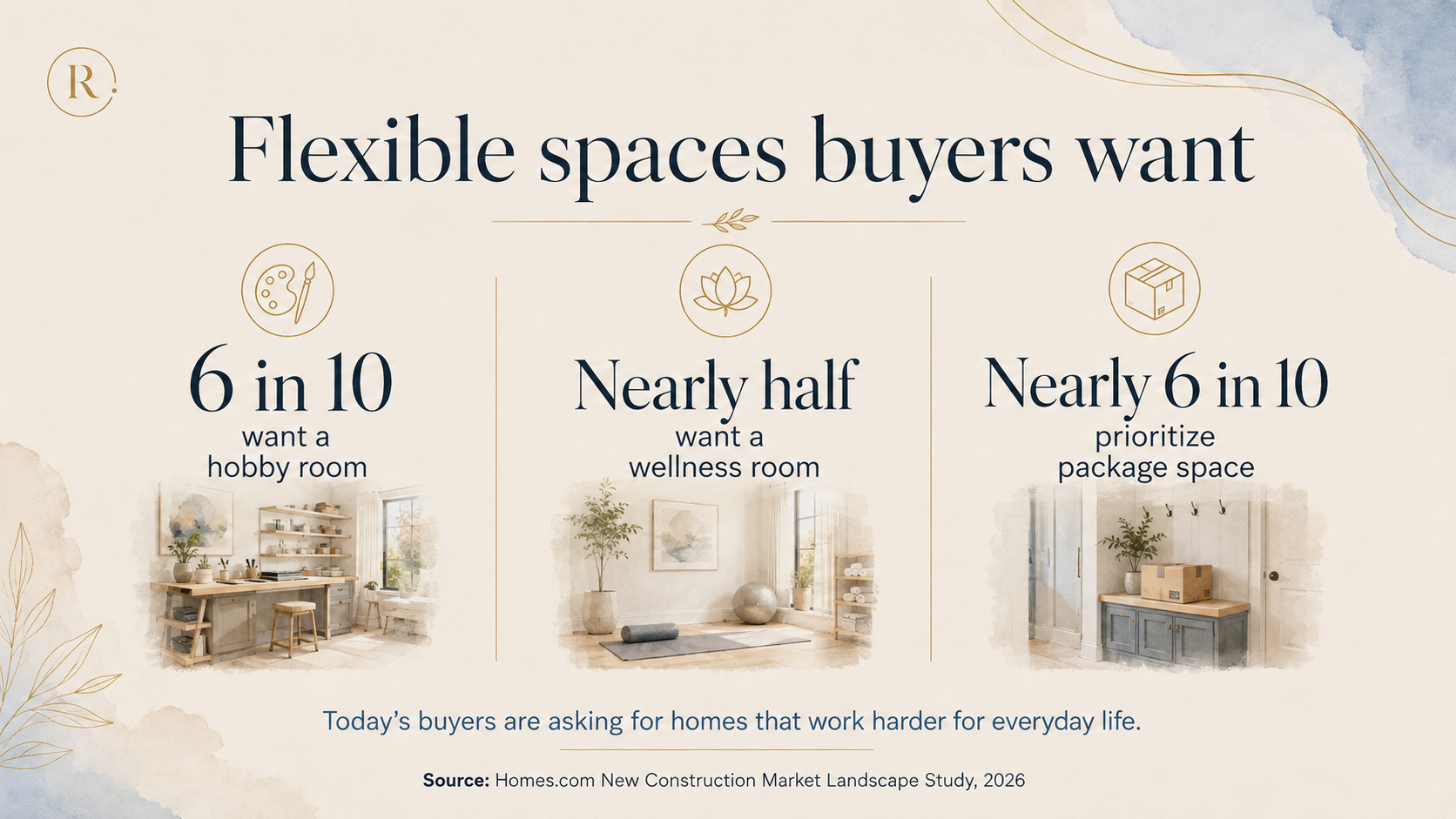
The interesting part of this trend is that buyers aren't necessarily asking builders to create a house full of rooms with one rigid purpose.
They want flexibility.
A beautifully finished room off the main living area might be an office today, a homework room five years from now and a guest room when family comes to visit.
A finished lower level could include a gym, media room, golf simulator, craft room or additional workspace.
An oversized loft could become a playroom while children are young and later transition into a second living space or office.
That adaptability matters because people understand that their lives will change long before they are ready to sell their homes.
Wellness Is Becoming Part of the Floor Plan, Too
Another shift we're seeing is the idea that a home should do more than provide shelter.
Buyers increasingly want homes that make everyday life better.
That can mean space for a home gym, sauna, cold plunge, yoga area, reading room or simply a quiet place away from the main living areas.
Outdoor living plays into the same idea.
Walking trails, water access, pools, patios, oversized yards and private outdoor spaces aren't simply amenities anymore. For many buyers, they're part of the lifestyle they're purchasing.
The house and the life that happens around it are becoming harder to separate.
Even Package Delivery Is Affecting Home Design
Here is one of the more surprising trends: buyers are beginning to value dedicated spaces for deliveries and packages.
It sounds like a small detail, but it reflects how much everyday life has changed.
We order groceries, clothing, household supplies and everything in between online. For larger or luxury homes, a protected delivery area, mudroom entrance or package room can offer both convenience and security.
Ten years ago, almost nobody was putting that on their dream-home list.
Today, it makes perfect sense.
What This Means for Sellers
If you're preparing a home for the market, don't underestimate rooms that don't have an obvious purpose.
That unused bedroom?
Don't leave it empty.
Show buyers the office.
Show them the gym.
Show them the reading room.
Show them the playroom.
Show them how the house could fit their life.
Real estate marketing has always been about helping someone imagine themselves living in a property. As buyer priorities become more lifestyle-driven, that part of the process matters even more.
The same applies to listing descriptions. Instead of simply describing a “bonus room,” explain what it could become.
Buyers may not immediately realize that the awkward fifth bedroom is actually the perfect private office.
Help them see it.
And for Buyers? Think Beyond Bedroom Count.
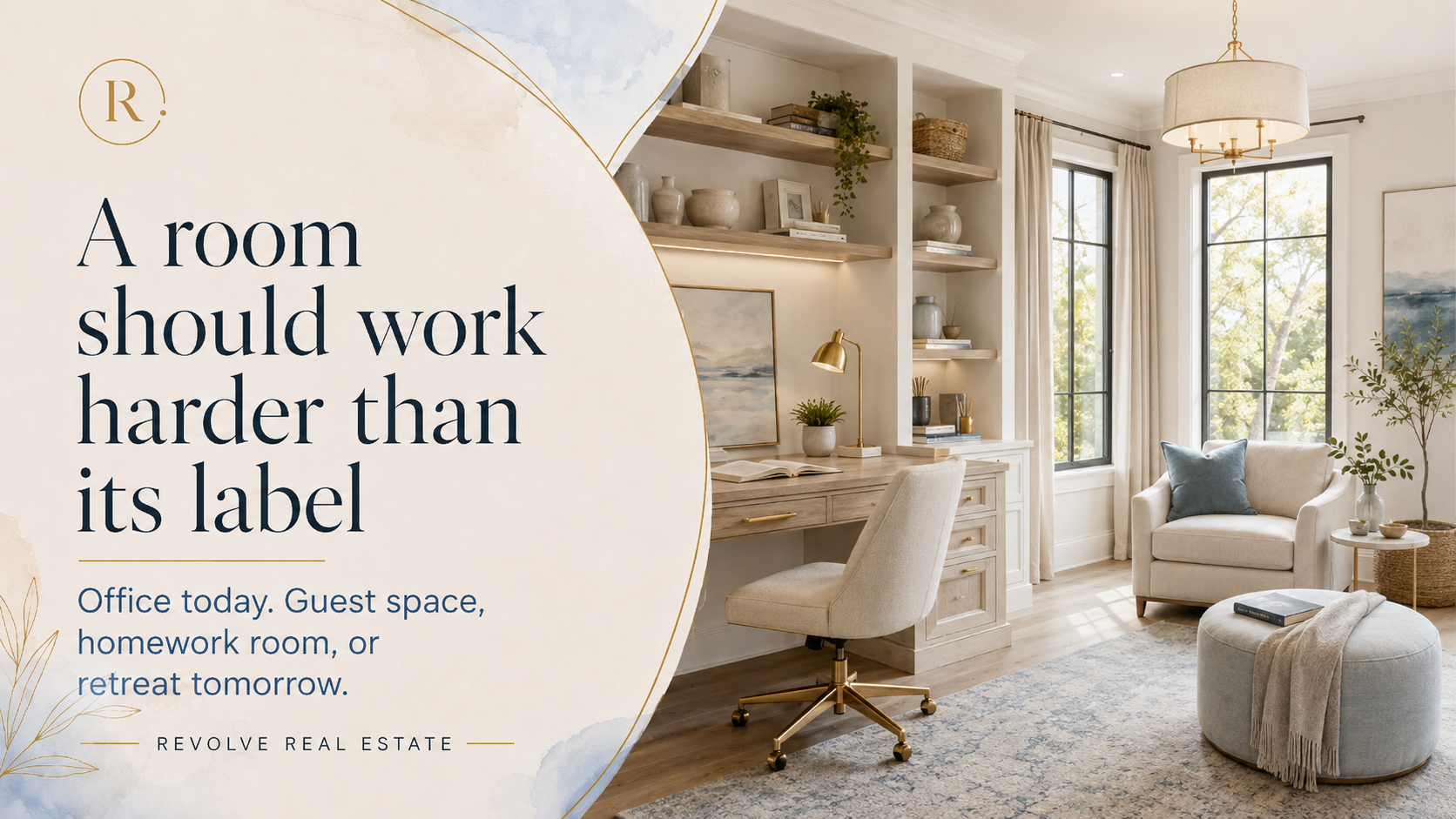
If you're shopping for a home, it may be worth changing the way you build your wish list.
Instead of deciding you need a four-bedroom home, think about the spaces you actually use every day.
Maybe you need three bedrooms, two offices and a finished basement.
Maybe you need a smaller house with a detached studio.
Maybe you want enough land to eventually add a pool house or workspace.
Maybe the formal dining room you'll never use would actually make an incredible office.
The right home isn't always the property with the most square footage.
It's the one where the square footage works hardest for the way you actually live.
Homes Are Becoming More Personal
One of the most interesting things happening in real estate right now is that buyers seem increasingly comfortable asking more from their homes.
They don't just want somewhere to sleep.
They want somewhere to work, entertain, recharge, exercise, create, host their families and occasionally close a door and get away from everyone else in the house.
And yes, sometimes that means two offices.
At Revolve Real Estate, we believe the best real estate decisions start with understanding how you actually want to live. Whether you're searching for an existing home, considering new construction or preparing a property for the market, we're here to help you see the possibilities beyond the basic bedroom-and-bathroom count.
or another way